Exhibitions
The Palmer Museum of Art presents new and changing special exhibitions and related programming every year. See below to explore what’s on view, what’s coming up, or what past exhibitions have been at the museum.
Exhibition Status: Upcoming
Rooted in Realism
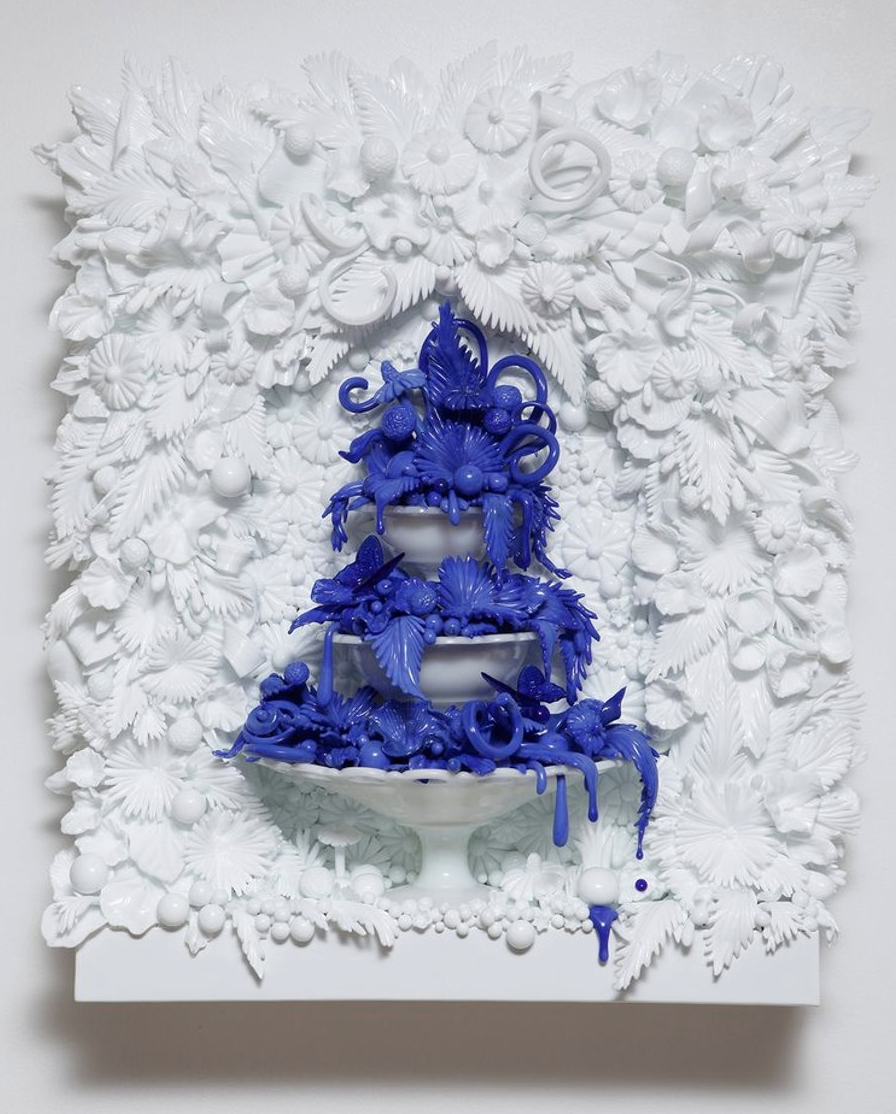
Rooted in Realism acknowledges the long history of academic training rooted in Philadelphia’s Pennsylvania Academy of the Fine Arts (PAFA), the first and oldest art school and art museum in the United States. Included in this section are significant canvases by Pennsylvania natives Andrew Wyeth, Philip Pearlstein, and Penn State alumnus Brian Alfred (’97) that demonstrate the enduring appeal of painting from life. A powerful self-portrait by PAFA faculty member Elizabeth Osborne and an evocative still-life by Annville-based artist G. Daniel Massad underscore the modern formal sensibility informing the works in this section. Sculptor Amber Cowan, based in Philadelphia, pays homage to the history of glassmaking in the state in her ornate wall relief of pressed-glass objects, both found and fabricated, that conjure the reality of domestic life and utilitarian concerns.
Pennsylvania Modern
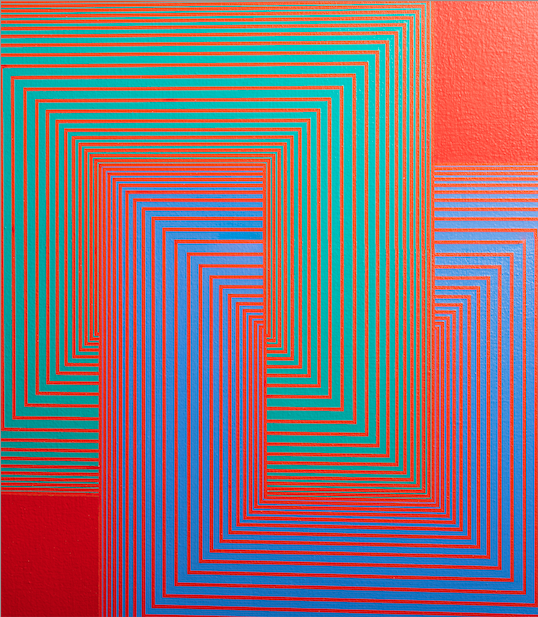
The second section of the exhibition, Pennsylvania Modern, signals the independent spirit embedded in the history of the Commonwealth and the state motto. It also acknowledges that one of the first museums of modern art in the country is Pittsburgh’s Carnegie Museum of Art, whose contemporary art exhibitions date back well over a century. In this section, a large gestural canvas by Franz Kline, born in the anthracite coal region of eastern Pennsylvania, reveal the contributions of Keystone State inhabitants to mid-century abstraction. Visually compelling works by Erie-born Richard Anuszkiewicz and Philadelphia-transplant Edna Andrade carry the modernist spirit forward into the era of Op Art. Altoona-native Abe Ajay’s remarkable assemblage and a powerful wood sculpture by Pittsburgh artist Thaddeus Mosley reveal the lure of found objects and salvaged materials for artists engaged with abstraction.
The Land and its Legacies
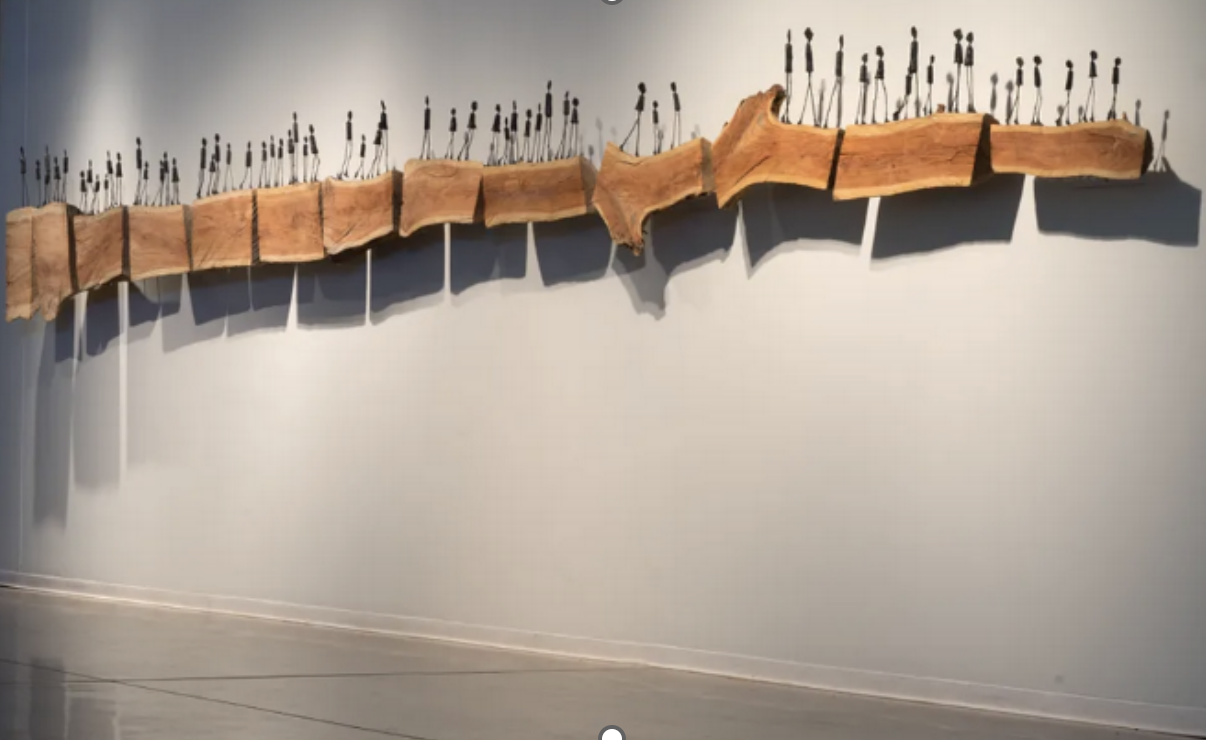
The Land and its Legacies serves as the central core of the exhibition and appropriately anchors MADE IN PA. The very name of the Commonwealth suggests the importance of natural resources and the ongoing relevance of the state’s sylvan forests, rural landscapes, and mountainous terrain for artists who call—or once called—Pennsylvania home. Two imposing works—Creek by Scranton studio glass artist Karen Reid and Forest by the late ceramic artist Barbara Diduk—demonstrate the power of waterways and woodlands in Pennsylvania’s history and sprawling geography. Equally powerful and compelling is Delaware Nation Holly Wilson’s Bloodline, a monumental homage to the original, ultimately displaced, inhabitants of the lands that became the Commonwealth. Warren Rohrer’s abstract ode to his Mennonite origins and the farmlands of southeastern Pennsylvania provide a bucolic counterpoint to Philadelphia painter and activist Diane Burko’s Unprecedented, a recent foray into the cultural landscape of climate change and the global pandemic. Pittsburgh-born Cy Gavin’s bold, vibrant canvases invite us to reconsider the territory of race and racism in the familiar panoramas of the Hudson River Valley.
Pop and Politics
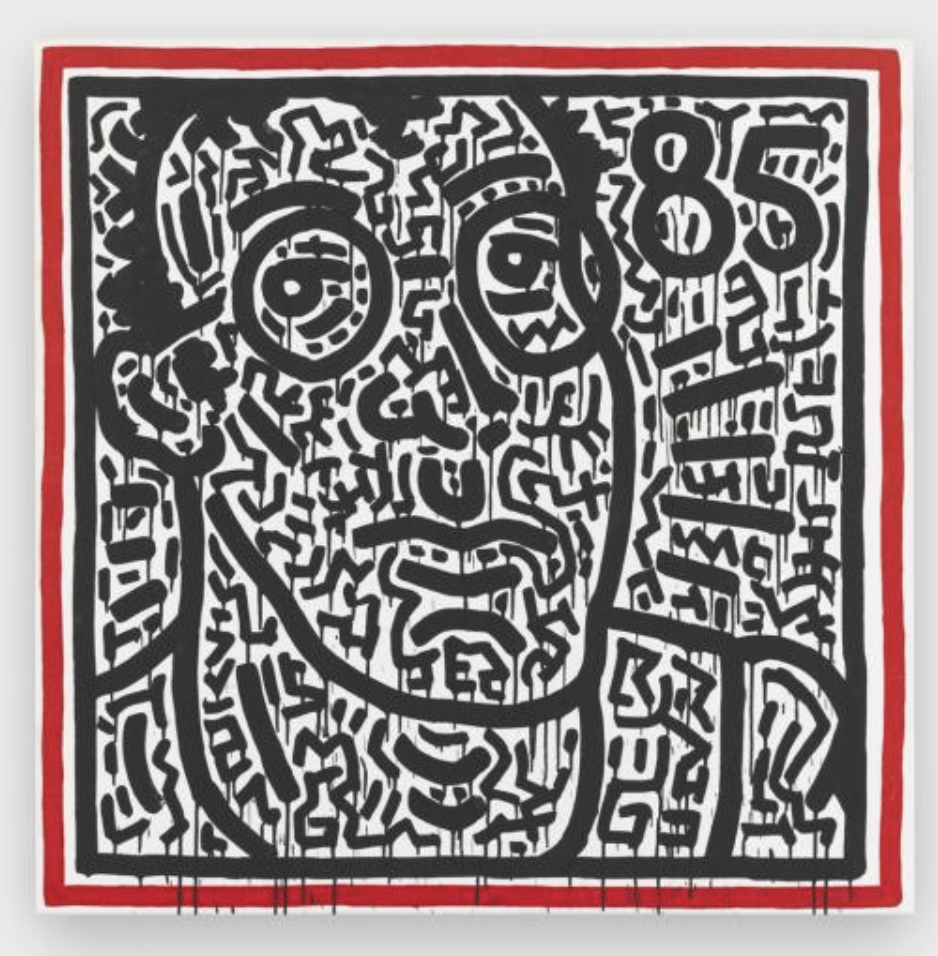
The fourth section of the exhibition, Pop and Politics, is anchored by strategic loans from the Art Bridges Foundation. These major works by Pennsylvania natives Andy Warhol, Keith Haring, Jeff Koons, and Barkley L. Hendricks explore iconic emblems of commerce and popular culture in post-World War II America as well as the politics around AIDS. A monumental “dot” abstraction by Philadelphia-born Howardena Pindell conjures personal memories of legally and socially enforced segregation in this country and speaks broadly to the politics of race and representation in the art world in the early 1970s. This section also features powerful photographs by two artists based in Philadelphia. Afghan Refugee Girl with Haunted Eyes (a portrait of Sharbat Gula) by Steve McCurry (’74) is one of the most iconic images of the 20th century. In an equally impactful black-and-white photo, Isaac Scott pays homage to Black Lives Matter activists in the City of Brotherly Love during the fraught summer of 2020.
PA NOW
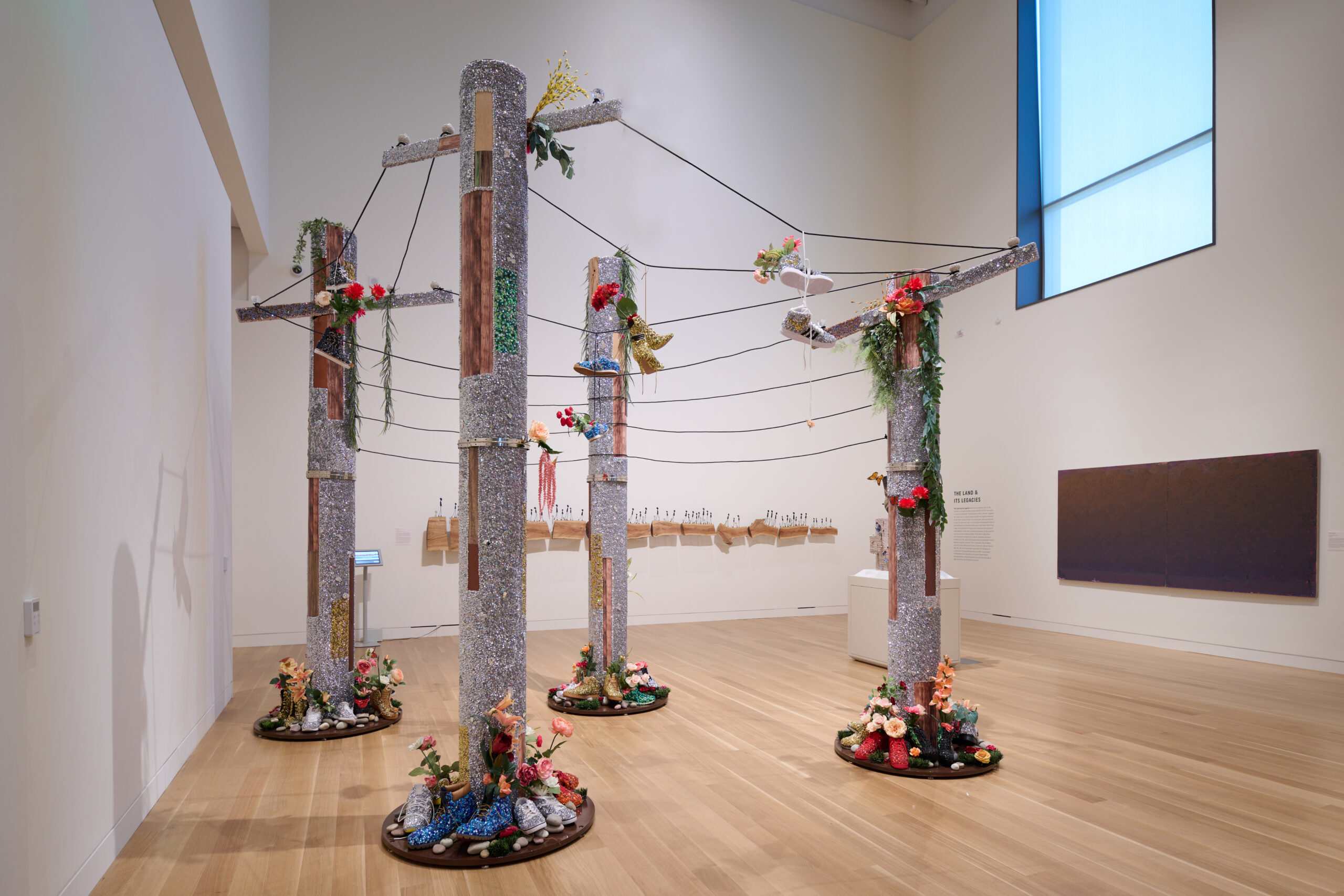
PA NOW, the final section of the exhibition, celebrates the rich diversity of art being produced by native, transplanted, and adopted Pennsylvanians in the present moment. Dazzling paintings, photographs, ceramic sculptures, and assemblages by Latino, Asian American, Black, and Queer artists—notably Henry Bermudez, Sharif Bey (’07), Roberto Lugo (’14), Sanh Brian Tran, vanessa german, and Kukuli Velarde—suggest that culturally hybrid work drawing on multiple ethnicities and identities may indeed provide the key to the future and the flourishing of the arts in the Keystone State. This section culminates with Devan Shimoyama’s magnificent installation The Grove, which encapsulates all the thematic threads of MADE IN PA. Based in Pittsburgh and a graduate of Penn State, Shimoyama (’11) has created an imagined, gleaming monument in response to the tumult brought on by racial violence and the pandemic, inviting us to immerse ourselves in a meditative, communal, forest-like space as we look toward a brighter future.